In a nutshell: Lipomas in dogs (aka fatty lumps) are often a sign of a struggling liver, not just old age. When the liver can't process toxins efficiently, the body stores them as lipomas. Supporting liver health — with milk thistle for dogs, and mushrooms like Maitake and Turkey Tail — can slow, stop, and even reverse their growth. This is Digby's story, and what it taught us.
What a Lump Is Actually Telling You
Lipomas are one of the most common things we see in senior dogs, and one of the most misunderstood. That lump on your dog's side isn't bad luck, and it isn't simply a consequence of getting older. It's a message from the body, and it's worth learning to read it.
When the liver becomes congested, stagnant, or overburdened, it can no longer process everything it needs to. Toxins accumulate. The body, in its surreal wisdom, responds by walling them off. Packaging fat cells and toxins together and pushing them to the surface. That's a lipoma. I think of them as little satellite livers, doing a job the liver no longer can.
The Morning Everything Changed
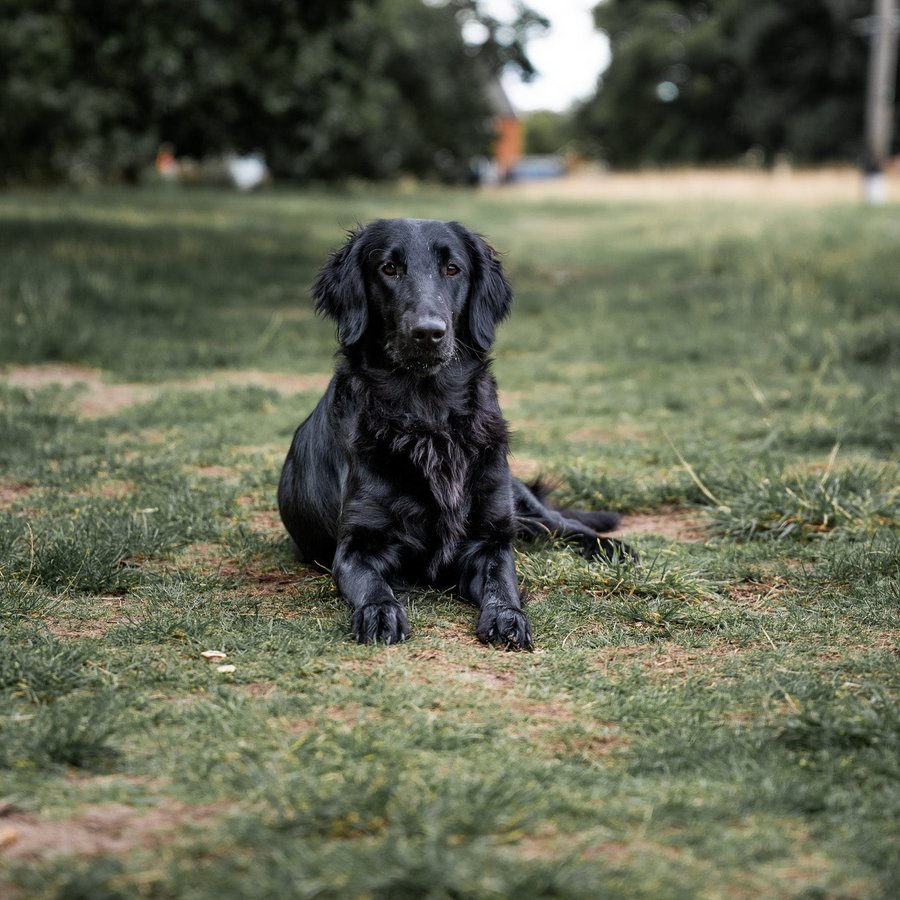
That's exactly what happened with Digby, my Flat Coated Retriever. He had his first lipoma at seven. Then a second. By the time the third and fourth arrived together, I knew this wasn't a coincidence. His body was telling me something, and just removing the lumps again wasn't the answer.
The real clue came from an unexpected direction. One morning Digby woke up seemingly drunk. Terrible gait, and couldn't walk straight, no matter how hard he tried. Blood work at the vet flagged raised liver enzymes. It took a referral vet and £600 before anyone identified the actual cause... a ruptured eardrum the first vet had missed. The ear explained the neurological symptoms. But those liver enzymes stayed with me. Nobody else seemed concerned. I very much was.
The Case for Milk Thistle For Dogs

Supporting Digby's liver became the focus. I started him on milk thistle, and ensured nothing else changed, no medications, no new diet, just milk thistle seed powder on his food each day. The lipomas stopped appearing. And then the existing ones retreated. Eventually, they had gone entirely.
We had no idea at the time whether any of it would work. So we kept running regular blood tests from the moment we introduced milk thistle — we needed some kind of benchmark, some evidence that something was actually shifting internally. We didn't know the lumps would retreat. What we did know, fairly quickly, was that his liver enzymes were stabilising.
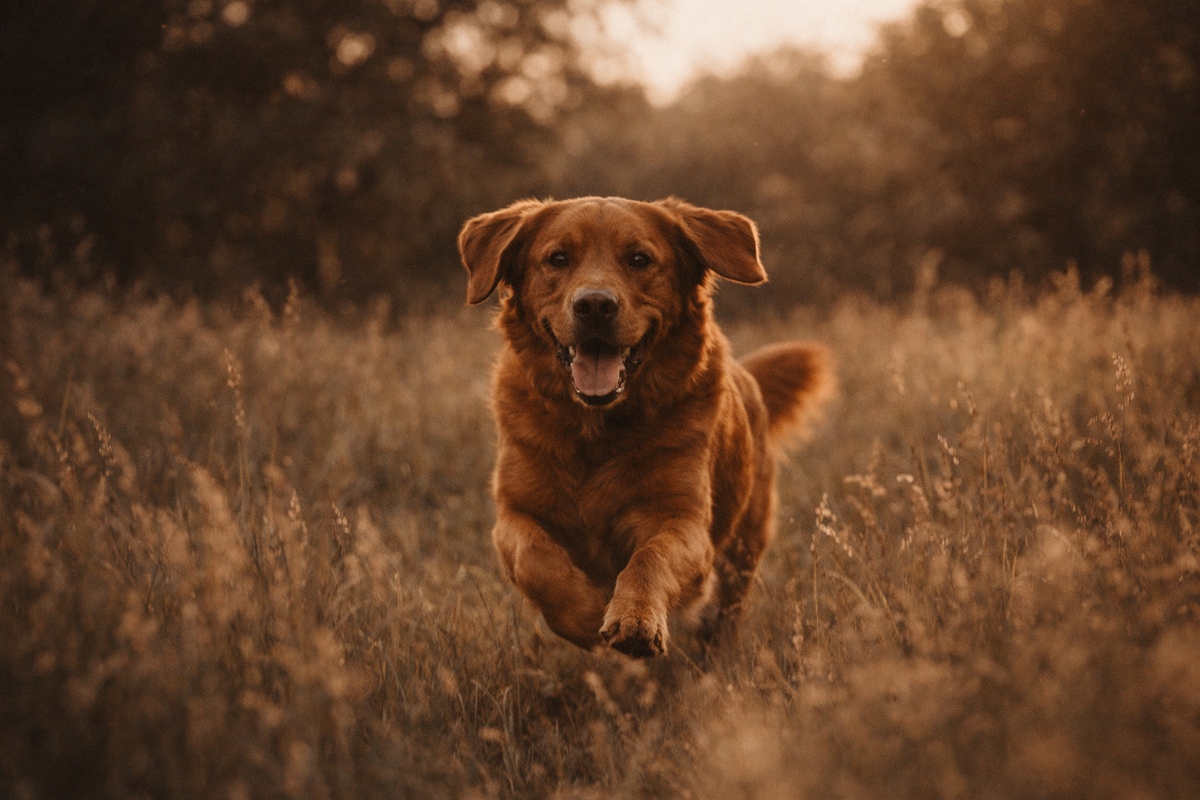
Digby is ten now. No new lumps. No stiff joints. He's thriving.
Milk thistle has been used for over two thousand years for good reason. Its active compounds — silymarin and silybin — are the ones most discussed in clinical studies, but milk thistle actually contains hundreds of constituents, and my belief is that all of them matter. That's why I'd always recommend using the whole seed, in powder or tincture form, rather than a standardised extract that isolates just one compound.
I'd caution against wanting a lipoma to shrink too quickly. Everything stored inside it has to go somewhere. Reabsorb it too fast, and you flood the body with the very toxins it was trying to contain. Slow and steady is the goal. Support the liver, reduce the toxic load, and let the body deal with things in its own time.
The Mushrooms Worth Knowing About

Two other things I've found amazing for lipomas specifically are Maitake and Turkey Tail mushrooms. Both are powerfully anti-tumour, and both have a strong relationship with liver health, supporting liver detoxification, helping cleanse the blood, and reducing the body's overall toxic load. Better circulation, less stagnation, less inflammation - that's the goal. I haven't found a dog yet who hasn't responded well to the right dose, and the right dose is often higher than you'd think.
Where to Start
These aren't quick fixes, and they aren't magic. They're tools that work with the body rather than around it. The question worth asking isn't how do we remove this lump. It's why is my dog's body producing it in the first place.
When Digby's lumps retreated and his blood work stabilised, I knew I had to do something with what I'd learned. That's why Fettle exists, and it's why I had to launch a milk thistle liver supplement. Not because it was a good market opportunity, but because my dog needed it, and I suspected yours might too.
Fettle's milk thistle is a whole seed powder supplement, formulated for dogs, the same plant medicine that has supported liver health in humans for centuries, properly dosed for your dog. If your senior dog is carrying lipomas or has ever had raised liver enzymes flagged on a blood test, it's the place I'd start.
If your senior dog is carrying lipomas, or has ever had raised liver enzymes flagged on a blood test, Fettle's milk thistle seed powder is the place I'd start — whole seed, properly dosed, formulated for dogs.
Digby would agree. Though at ten years old, running like he's five, he's too busy proving the point to say so.
Frequently Asked Questions
Can milk thistle reduce lipomas in dogs?
Milk thistle supports liver function, which is closely linked to lipoma formation in dogs. When the liver is better able to process and eliminate toxins, the body has less need to store them as fatty lumps. Many dogs, including our own Digby, have seen existing lipomas retreat with consistent milk thistle supplementation.
What causes lipomas in senior dogs?
Lipomas are often a sign of an overburdened liver rather than simply old age. When the liver becomes congested or stagnant, it can't process toxins efficiently. The body responds by walling them off in fatty deposits just beneath the skin.
How long does milk thistle take to work in dogs?
Results vary depending on the dog and the severity of liver congestion. Blood work changes — such as stabilising liver enzymes — can become visible within weeks. Physical changes like lipoma reduction tend to take longer. Patience and consistency are key.
What is the best form of milk thistle for dogs?
Whole seed powder or tincture is preferable to standardised extracts. Milk thistle contains hundreds of beneficial constituents beyond silymarin and silybin, and whole plant supplementation ensures your dog benefits from all of them.
Are mushrooms good for dogs with lipomas?
Maitake and Turkey Tail mushrooms are particularly well regarded for dogs with lipomas. Both support liver detoxification, help cleanse the blood, and have anti-tumour properties. They work well alongside milk thistle as part of a broader liver support approach.