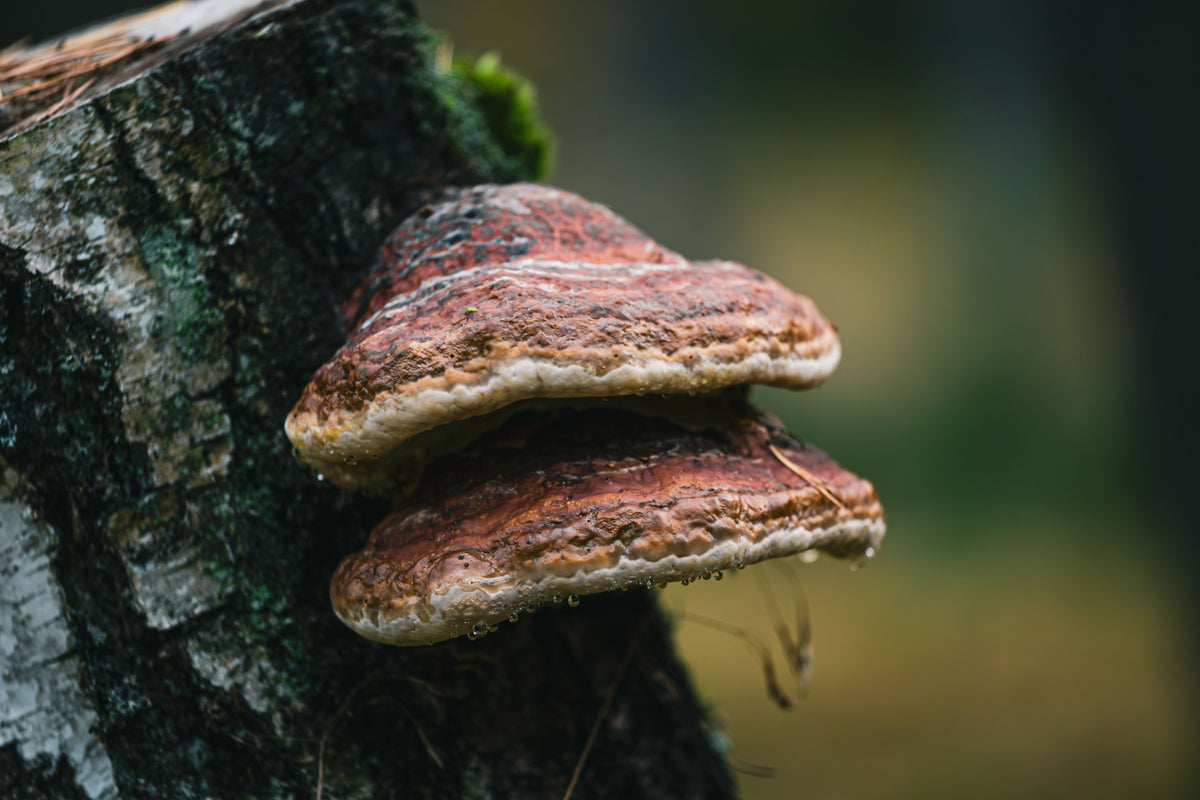
Turkey Tail (Trametes versicolor) is one of the most extensively researched medicinal mushrooms. Whilst it has a long history of traditional use, modern research has shifted towards understanding the compounds it contains and how they interact with the body.
What makes Turkey Tail unique?
Turkey Tail contains a range of bioactive compounds, but researchers have focused primarily on beta-glucans, polysaccharide-K (PSK) and polysaccharopeptide (PSP). These compounds appear to interact with biological signalling pathways, particularly those involved in immune function. This has led scientists to investigate Turkey Tail in areas including cancer biology, the gut microbiome, tissue repair and microbial defence.
Immune communication
The immune system is far more sophisticated than a simple on and off switch. Every response, from fighting infection to repairing damaged tissue, depends on immune cells communicating with one another. Immune cells use specialised receptors to detect potential threats and chemical messengers called cytokines to coordinate how different cells respond.
This is one of the reasons scientists first became interested in Turkey Tail. Laboratory studies have shown that beta-glucans, PSK and PSP can activate various immune cells.
Researchers have also reported changes in cytokine production and interactions with receptors which help immune cells recognise bacteria, viruses and other foreign material.
These findings suggest that the compounds found in Turkey Tail interact with the communication networks that help the immune system do its job well.
Cancer biology
Every day, cells within the body accumulate damage as they divide. Most abnormal cells are recognised and removed through a process known as immune surveillance. Cancer develops when damaged cells evade normal growth controls and immune surveillance, allowing them to continue dividing and alter the tissues around them. Because the immune system plays such an important role in this process, researchers have investigated whether compounds found in Turkey Tail influence some of the biological pathways involved.
One of the best-studied compounds is PSK. In Japan, it has been used alongside chemotherapy for several decades in the treatment of cancers including gastric and colorectal cancer. Clinical studies and meta-analyses have reported improved survival in some patient groups when PSK was combined with conventional treatment, leading to its approval as an adjunctive therapy.
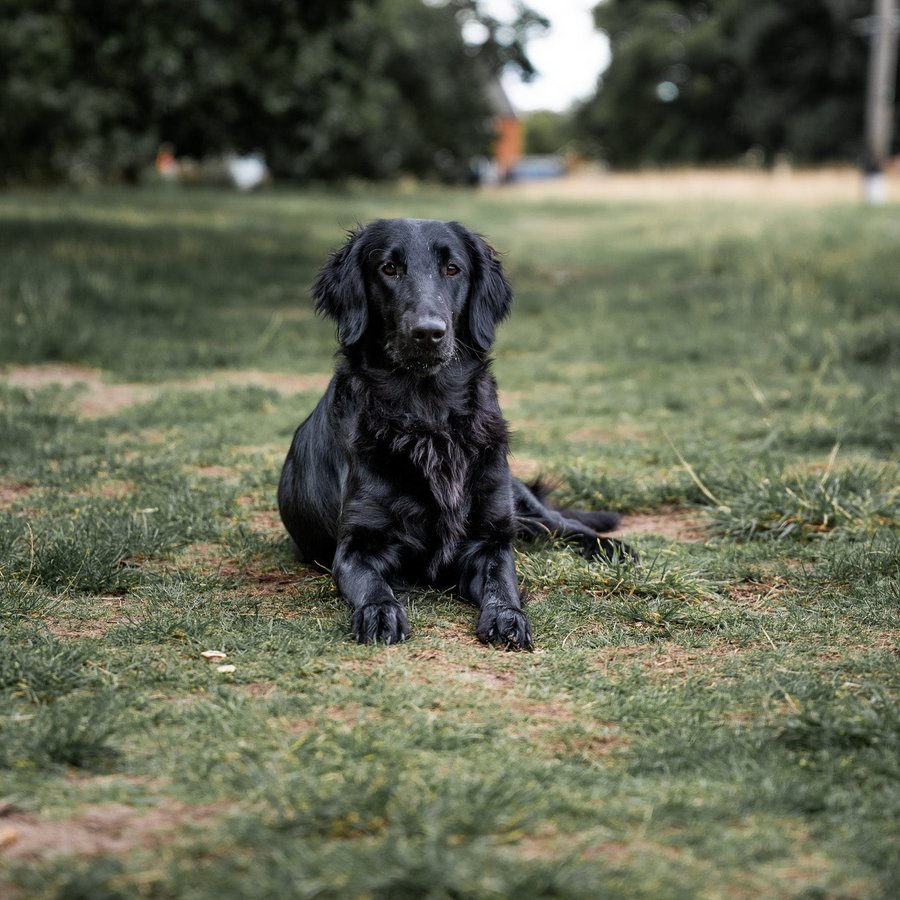
Turkey Tail has also attracted attention in veterinary medicine. In a pilot study of dogs with naturally occurring splenic hemangiosarcoma, those receiving the highest dose of PSP had longer median survival times than expected for this aggressive cancer, prompting further investigation into its role alongside conventional treatment.
Research has continued beyond clinical studies. In 2023, scientists investigating human melanoma cells and mouse models found that Turkey Tail mycelium reduced tumour growth, promoted programmed cell death within tumour cells and increased infiltration of immune cells into tumours.
These studies suggest Turkey Tail may influence several biological processes involved in cancer, including immune surveillance, cell signalling and the tumour microenvironment. This helps explain why it has become one of the best-studied mushrooms in oncology.
The gut microbiome
The gut microbiome consists of trillions of microorganisms that help digest food, produce vitamins and communicate with the immune system. One way they do this is by fermenting dietary fibres that escape digestion in the small intestine.
The beta-glucans found in Turkey Tail reach the large intestine largely intact, where they can be fermented by gut microbes. In a randomised clinical trial, healthy adults receiving polysaccharopeptide (PSP) from Trametes versicolor developed measurable changes in their gut microbiome over eight weeks. The authors concluded that PSP exhibited prebiotic activity by influencing the composition of the gut microbial community. These findings have prompted researchers to explore whether some of Turkey Tail's wider biological effects are mediated through changes in the gut microbiome.
Tissue repair
Healing is a carefully coordinated process. Immune cells clear damaged tissue, fibroblasts produce collagen, new blood vessels develop and the extracellular matrix is rebuilt. If communication between these cells is disrupted, healing becomes slower and less effective. Researchers have investigated whether Turkey Tail influences some of these processes. In a recent study, Trametes versicolor extract increased fibroblast migration and proliferation, improved collagen deposition and accelerated wound closure in an animal model. This data suggests that Turkey Tail may have a potential role in tissue regeneration and wound healing.
Other emerging areas of research
Laboratory studies have explored how the compounds found in Turkey Tail influence antioxidant defence systems and inflammatory signalling pathways. More recently, researchers have also investigated antimicrobial and antiparasitic activity, including laboratory studies showing reduced growth of Toxoplasma gondii following exposure to Turkey Tail extracts. Although these fields are still developing, they demonstrate the breadth of scientific interest surrounding this mushroom.
The takeaway
Turkey Tail has become one of the best-studied medicinal mushrooms because it does not appear to influence just one biological system. Instead, it appears that its compounds interact with pathways involved in immune communication, cancer biology, the gut microbiome and tissue repair. As scientists continue to explore these mechanisms, Turkey Tail remains an active area of research in both human and veterinary medicine.
Lisa Hannaby-Aird
A Registered Associate Nutritionist and author of Nutrition for Dogs, Lisa combines expertise in nutrition, psychology, biochemistry, and neuroscience to help dog owners understand the science behind canine health, behaviour, and nutrition.
Benson, K. F., Stamets, P., Davis, R., Nally, R., Taylor, A., Slater, S., & Jensen, G. S. (2019). The mycelium of the Trametes versicolor (Turkey tail) mushroom and its fermented substrate each show potent and complementary immune activating properties in vitro. BMC complementary and alternative medicine, 19(1), 342. https://doi.org/10.1186/s12906-019-2681-7
Brown, D. C., Reetz, J. A., et al. (2012). Single agent polysaccharopeptide delays metastases and improves survival in dogs with naturally occurring hemangiosarcoma. Evidence-Based Complementary and Alternative Medicine, 2012, Article 384301.
Habtemariam S. (2020). Trametes versicolor (Synn. Coriolus versicolor) Polysaccharides in Cancer Therapy: Targets and Efficacy. Biomedicines, 8(5), 135. https://doi.org/10.3390/biomedicines8050135
Lowenthal, R., Taylor, M., Gidden, J. A., Heflin, B., Lay, J. O., Jr, Avaritt, N., Tackett, A. J., & Urbaniak, A. (2023). The mycelium of the Trametes versicolor synn. Coriolus versicolor (Turkey tail mushroom) exhibit anti-melanoma activity in vitro. Biomedicine & pharmacotherapy = Biomedecine & pharmacotherapie, 161, 114424. https://doi.org/10.1016/j.biopha.2023.114424
Pallav, K., Dowd, S. E., Villafuerte, J., Yang, X., Kabbani, T., Hansen, J., Dennis, M., Leffler, D. A., Newburg, D. S., & Kelly, C. P. (2014). Effects of polysaccharopeptide from Trametes versicolor and amoxicillin on the gut microbiome of healthy volunteers: a randomized clinical trial. Gut microbes, 5(4), 458–467. https://doi.org/10.4161/gmic.29558
Sharma, H. N., Catrett, J., Nwokeocha, O. D., Boersma, M., Miller, M. E., Robertson, B. K., et al. (2023). Anti-Toxoplasma gondii activity of Trametes versicolor (Turkey tail) mushroom extract. Scientific Reports, 13, 8667.
Teymoorian, S. K., Nouri, H., & Moghimi, H. (2024). In-vivo and in-vitro wound healing and tissue repair effect of Trametes versicolor polysaccharide extract. Scientific reports, 14(1), 3796. https://doi.org/10.1038/s41598-024-54565-0